 By
The act of safeguarding is an essential aspect of nursing as it helps to keep both patients and other vulnerable individuals safe from harm, including any abuse, neglect or exploitation. Nurses work with patients of all ages and backgrounds, such as children, older adults, the disabled, and those with physical or mental health challenges. They are in a key role in identifying concerns, offering the appropriate support and taking action when a person’s safety may be compromised.
Knowing the definition of safeguarding is not enough for nursing students! Knowledge of professional responsibilities, risk assessment, communication, confidentiality, consent and reporting procedures is required. Students need to be taught the effect of ethical issues on decisions in actual health care environments, too.
Therefore, students need Nursing Assignment Help to guide them through the process.
What is Safeguarding in Nursing?
Safeguarding in nursing is the actions and practices to keep people safe from abuse, neglect, exploitation and other harm and to ensure they enjoy their rights, dignity and wellbeing. It involves identifying risk, noticing signs of warning, taking action when concerns arise and collaborating with the appropriate professionals to provide appropriate protection to individuals.
Nursing safeguarding is applicable in all hospitals, care homes, mental health and community healthcare services, and other clinical settings. Nurses can be subjected to a number of types of abuse such as:
- Physical Abuse: Intending to cause injury or harm to the person.
- Emotional or Psychological Abuse: Threatening, intimidating, humiliating or controlling someone.
- Sexual Abuse: When someone is forced into sexual activity without their consent.
- Financial Abuse: When someone uses or controls the finances, funds, or property of another person.
- Neglect: Neglecting to provide care, support, feeding or medical treatment.
- Discriminatory Abuse: Unwanted treatment of someone unfairly due to a characteristic.
- Domestic Abuse and/or Organisational Abuse: Abuse that takes place in the context of domestic relationships or in safe practice within an organisation.
Safeguarding also includes identifying exploitation and acting on concerns following a clear process. The relevant legislation and guidance will depend on the setting and jurisdiction in the UK, so students should determine whether the discussion is about England, Scotland, Wales or Northern Ireland.
They can take guidance from Nursing Assignment Help to make things easy for them.
Why is Safeguarding Important in Healthcare?
Healthcare settings require safeguarding as patients could be in situations where they are unable to identify, report or communicate abuse. Others rely on others for personal care, medication, mobility, and/or daily activities. This dependency can make them more vulnerable to neglect, coercion or exploitation, especially if the necessary safeguards are not in place.
Effective safeguarding can promote patient safety in nursing by ensuring that any concerns raised are identified early and minimising the potential for further harm. It also facilitates dignity, autonomy, equality and person-centred care. Patients should feel respected and supported to raise their concerns without fear of blame or recrimination.
Safeguarding is not a “one and done” responsibility which happens when a concern is shared. It is embedded in everyday nursing practice and has an impact on nursing professionals’ communication with the patient, risk assessment, documentation and decision-making.
That is why UK nursing students need to understand these concepts very clearly. And Nursing Assignment Help is the best way to do that.
Key Safeguarding Principles
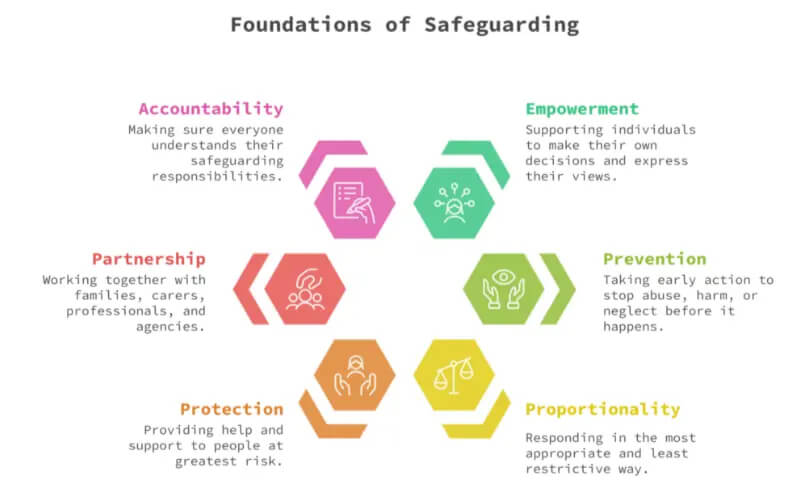
England’s statutory guidance for the Care Act 2014 sets out six principles of adult safeguarding:
1. Empowerment
Empowerment is helping individuals to make choices regarding their safety and care. Nurses need to share information about the choices available, listen to patient concerns and, as much as possible, include patients in decision-making.
2. Prevention
Prevention is a strategy aimed at taking action before abuse or neglect occurs or before a concern turns into a bigger issue. Nurses can help by conducting risk assessments, educating patients, using proper observation and interacting with relevant people in a timely fashion.
3. Proportionality
Proportionality is treating a risk in a proportionate manner. Professionals should take the person’s view into account, their wishes, rights and immediate safety, rather than using a common response to each situation.
4. Protection
Protection is the support for Vulnerable Adults in Healthcare or children to abuse or neglect. This could involve making suitable arrangements, including raising concerns and referring cases to safeguarding teams or other relevant services.
5. Partnership
Partnership recognises that the safeguarding process and responsibilities often need to be shared between a range of professionals, including doctors, nurses, social workers, families and specialist organisations. Communication is effective in ensuring that concerns are understood and addressed.
6. Accountability
Professionals need to be aware of their responsibilities, adhere to appropriate protocols, keep proper records, and accept responsibility for their choices.
Students should critically discuss how these principles interact. They can also reach out to Nursing Assignment Help to understand them better.
Safeguarding Adults in Nursing
The protection of adults in nursing is about safeguarding in nursing adults who are at risk of and/or experiencing abuse or neglect, who may not be able to protect themselves due to their care and support needs. This can encompass older people, patients with learning disabilities, cognitively impaired individuals and those who need assistance with daily activities. Vulnerability should not be taken for granted, however, based on a person’s age, disability or diagnosis.
Nurses can spot issues when there are unexplained injuries, changes in behaviour, living conditions are inadequate, or conversations suggest forcing or neglect. For instance, an older person might be fearful if a specific carer is around or when they have to keep trying to obtain necessary medicines.
The Care Act 2014 is an important piece of legislation for adult safeguarding in England. It has statutory guidance which outlines when local authorities should consider safeguarding in healthcare enquiries and how professionals should work cooperatively. You can learn more about it through Nursing Assignment Help.
Safeguarding Children in Nursing
The welfare of a child is ensured when the child is safeguarded from harm, abuse and neglect to their health and development. Nurses can have concerns about safeguarding in maternity, paediatric wards, emergency departments, health centres and community.
Signs of trauma can include unexplained injuries, developmental delays, ongoing failure to meet basic needs, and inappropriate disclosure of abuse and neglect. Domestic abuse can also have a negative impact on the safety and wellbeing of children. But each sign does not necessarily indicate maltreatment and should be viewed in context.
In Safeguarding in nursing, listening attentively, communicating effectively and appropriately and complying with child protection in nursing procedures are paramount. If a child’s information must be passed on to another staff member or agency, do not promise absolute confidentiality to the child. Any concerns must be reported as quickly as possible via the proper channels.
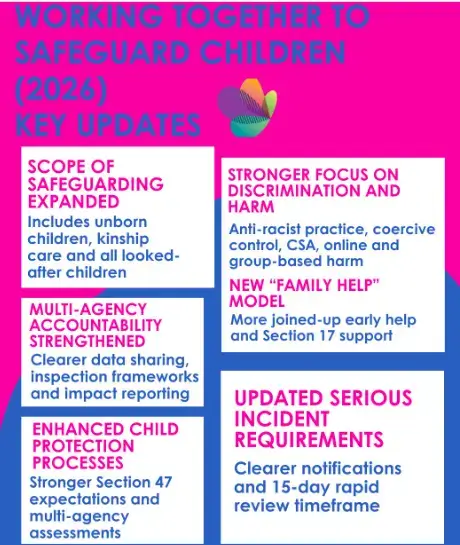
The Working Together to Safeguard Children 2026 guidance offers a new framework for multi-agency safeguarding practices in England.
Recognising Signs of Abuse and Neglect
It is important to identify signs of abuse as part of the duty of care. Nurses should be vigilant for physical, emotional, behavioural and environmental signs such as:
- Injuries that cannot be explained or repeated injuries
- Quickly becoming anxious, fearful or withdrawn.
- Poor hygiene, malnutrition or dehydration.
- Coercive, intimidating or controlling behaviour.
- Any unusual financial problems or reported exploitation.
- Failure to keep appointments and/or not-fulfilled health care demands.
- Developmental changes or behaviour that raises concern in a child.
All these signs have to be interpreted carefully as they can have explanations other than abuse. For instance, weight loss can occur during sickness and anxiety can be linked to pain or an unfamiliar clinical setting.
The responsible nursing response is to listen without judgment; make factual observations; accurately note relevant statements; report concerns as per local procedure.
Confidentiality, Consent and Information Sharing
Confidentiality in nursing is a fundamental part of the trust that is developed between the patient and the nurse. Patients need to be aware of the way their personal data is being used, and they need to be able to trust that sensitive information is being handled appropriately. But safeguarding concerns are not a private matter – confidentiality does not automatically apply.
If a nurse suspects abuse, weigh these factors when deciding whether to share information: the severity of the risk, the individual’s wishes, whether the individual can speak up if applicable, relevant legislation, and if relevant, the risk of other people also being at risk. Information must be shared legally and with appropriate professionals and only where necessary for the safeguarding purpose.
Students need to examine these competing issues, rather than assuming that confidentiality or disclosure is always paramount, in relation to the relevant legislation, professional standards and official guidance.
Safeguarding and Professional Nursing Practice
Protection is closely linked with nursing ethics, accountability, communication and professional boundaries. Nurses should care for patients, respect patients’ rights, keep records and report concerns about unsafe care.
The value of multidisciplinary working is significant since safeguarding issues may include medical, psychological, social and legal issues. Nurses might have to liaise with doctors, social workers, safeguarding leads and any other relevant staff members to create a coherent response.
The professional guidance from the Nursing and Midwifery Council (NMC) highlights the need to raise concerns and to adhere to the appropriate procedures at work.
Student nurses should therefore be aware of their duties during their placements, such as notifying their supervising nurse or appropriate safeguarding professional of any issues that arise.
There is also a need for reflection and ongoing learning to ensure effective safeguarding. Investigating incidents and learning from failure may be used to identify the gaps in communication, improve risk management and enhance the quality of healthcare professionals’ nursing practice. Nursing Assignment Help can assist students in critically analysing situations.
How to Approach Safeguarding in Nursing Assignment Writing
Excellent nursing student assignments are reliable and informative, and include critical analysis. The following steps can help students organise their work effectively:
- Comprehend the Question: Identify if the task is to describe, analyse, evaluate or critically discuss safeguarding.
- Research Reputable Sources: Refer to legislation, professional guidance, government publications and peer-reviewed research.
- Relate Theory to Practice: Give specific clinical examples of how the principles of safeguarding apply to nursing practice.
- Critical Analysis: Make comparisons, discuss ethical issues and look at the drawbacks of various approaches.
- Use References Correctly: Cite evidence for significant claims and reference in the university-required style.
- Review Work: Ensure structure, clarity, grammar, and ensure paragraphs are answering the assignment question.
For students struggling with more complex safeguarding issues, Nursing Assignment Help can provide assistance in planning and conducting research, comprehending academic expectations and constructing arguments. The purpose is to develop self-directed learning skills and ideas that are original and backed by valid evidence.
Useful Research Questions for Students
When planning work to include safeguarding issues in health and care, students can consider the following questions:
- How do the principles of safeguarding help you to support person-centred nursing care?
- How can nurses contribute to the identification of abuse and neglect?
- What are the implications for nurses in terms of balancing confidentiality and safeguarding responsibilities?
- What are the issues that impact on safeguarding adults in nursing?
- What are the benefits of multi-disciplinary working to enhance the quality of child protection?
- What are the opportunities for the use of evidence-based nursing to enhance safeguarding outcomes?
There are suggestions that each question can be explored through a focused discussion in the light of relevant literature, professional guidance and practical examples in Nursing Academic Writing. Or they can take suggestions from Nursing Assignment Help to choose the right topic.
Conclusion
The ability to protect and keep safe is a core component of nursing practice that requires knowledge, ethics, communication skills and judgment. It is important for nurses to know how to avoid harm, identify signs and symptoms of warning, act on concerns and collaborate with the right people to keep patients safe. Protection of adults and children also involves sensitivity to individual rights, individual situations and the appropriate legal framework.
Therefore, writing such assignments can be hectic for students, but Nursing Assignment Help can always prove to be a reliable partner for nursing students.