
 By
By Evidence drives progress across education, healthcare and business. From developing life-saving treatments to improving classroom outcomes, research is important. It forms the backbone of informed decision-making.
Many pupils who are entering university ask why research is important, especially when faced with dissertations, evidence-based assignments and critical analysing tasks.
Well, the answer is simple. Research has the power to generate reliable knowledge, challenge assumptions, improve systems and support innovation.
Within UK universities, research is embedded in undergraduate and postgraduate learning. Many pupils are expected to explore complex research topics, evaluate academic sources, and apply theoretical frameworks to real-world scenarios.
The best part about research is not limited to laboratories. Instead, it shapes public policy, improves NHS services, strengthens corporate strategy and enhances early childhood education frameworks.
In this blog we will dive deep into the importance of research across various sectors. Let’s have a look.
Why Is Research Important in Education?
The importance of research in education goes beyond academic assessment. It helps shape curriculum design, teaching methodologies, policy reforms and student engagement strategies.
According to the UK Research Excellence Framework (REF 2021), 41\% of university research was considered world-leading, demonstrating how research contributes directly to societal and educational advancement.
The Importance of Research in Education as a Student
Understanding the importance of research in education as a student builds academic confidence and professional readiness. Moreover, the research skills allows pupils to:
- Evaluate academic literature critically
- Develop evidence-based arguments
- Interpret qualitative and quantitative data
- Develop structured academic writing
- Apply theory to professional practice
This shows why research is important to students especially in practice-based courses such as nursing, midwifery, social work and education.
Hence, The Nursing and Midwifery Council NMC requires registered nurses to apply evidence-based nursing practice.
Thus, this shows why research is essential in healthcare education and why nursing pupils must develop research skills early during their academic journey.
Pupils who require the structured academic guidance allows you to strengthen their understanding through expert-led support, such as our evidence-based nursing assignment guidance which aligns with the UK university guidelines.
10 Reasons Why We Do Research
Research is a key part that promotes growth, innovation and social development in all fields. The ten reasons why research is vital are as discussed below.
Expands Existing Knowledge
Studies are a continuation of past findings and in this manner, researchers and practitioners enhance the knowledge in their different disciplines. Research results in the discovery of new knowledge, which seals gaps in knowledge and brings clarity to the existing ideas through systematic research.
Solves Real-World Problems
Research has led to the development of many of the current solutions to problems including climate change, outbreak of diseases as well as poverty. It enables professionals to find root causes and create solutions that enhance everyday life in a practical evidence-based way.
Favors Informed Decision-Making
Studies enable people, institutions, and states to make wise decisions, as they have credible information. Rather than making assumptions, the decision-makers will be able to analyze evidence and select the best course of action.
Leads Government and Institutional Policies
Research findings influence policies in various fields such as education, healthcare and environmental protection. Evidence-based policies have better chances of delivering positive results and attentive to the interests of the population.
Innovates and embraces technology
The smartphone, renewable energy systems, and other scientific and technological innovations are outcomes of the massive research. Constant research will result in better tools, systems, and processes that will increase productivity and convenience.
Tests Hypotheses and Vindicates Theories
The scientific method is focused on research. It enables the scholar to innovate ideas in systematic ways and prove or disprove theories and make sure that knowledge is valid and reliable.
Enhances Academic achievements
Research also implies the development of critical thinking, analytical skills, and problem-solving skills. Research-doing students acquire better academic competence and enhanced understanding of the subject.
Increases Professional Competency
Research is important to professionals in order to keep abreast with the current events and best practices. On-going research enhances competency, productivity and professional growth.
Enhances Economic Development
Research helps in economic development through innovation, enhancement of productivity, and new industries and job opportunities are created.
Enhances Social Wellbeing and Public Health
Medical and social research results in improved treatment, disease prevention measures and social programs, which eventually improve the quality of life and wellbeing in the community.
Benefits of Research for Students
Here are the 10 benefits of research to students which extend into long-term career development:
- Better Critical Thinking: Conducting research will help you better your critical thinking skills by being objective in your analysis, critical in your arguments, and logical and evidence-based in your conclusions
- Improved Data analysis skills: The process of research builds your capacity to analyze and retrieve significant insights on the quality and quantity of data.
- Better Academic Writing: Research practice enhances the skills of organizing arguments, using credible sources and composing academic writing in an appropriate way.
- Gained Subject Knowledge: Research has the power to strengthen your knowledge on the key concepts and developments in your field.
- Increased Autonomy in Learning: Study Research promotes independent learning and makes you more confident in your ability to locate the sources and have control over the way of learning.
- Increased Dissertation Success Rates: Good research competence helps you to be able to design good research, use the appropriate methodology, and be clear in your presentation to achieve higher academic results.
- Shows Confidence in Professional Discussions: A good research background will enable you to participate in discussion and substantiate your views with evidence in a good way in both academics and workplaces.
- Improved Accuracy in reference: Conducting research helps to improve your reference accuracy and consistency, which minimizes the possibility of plagiarism.
- Better Presentation Skills: The presentation of the research findings will make you more competent in expressing complicated ideas in a clear way and answering questions.
- Postgraduate Study Preparation: Developing Research Skills Preparation is a good base to research study skills needed in a master and doctoral degree.
Universities in the UK report that students engaged in research-led teaching demonstrate higher levels of analytical reasoning and academic engagement. This highlights the broader importance of research to students beyond assessment grades.
If you are having a tough time conducting research and need some help, consider seeking help from the Nursing Assignment Helpers in the UK.
Why Is Qualitative Research Important?

Qualitative research engages the experiences, perception, and social behaviour. In education, it explores classroom interactions, student motivation, teacher practices and institutional culture. The reason why qualitative research is important because:
- Captures lived experiences
- Gives extensive background information.
- Investigates behavioural and emotional issues.
- Supports policy refinement
Observational studies in early childhood learning allow one to learn about the developmental patterns within an educational unit. It goes to show how research plays an important role in the field of early childhood education where qualitative knowledge informs curriculum development.
The Importance of Quantitative Research
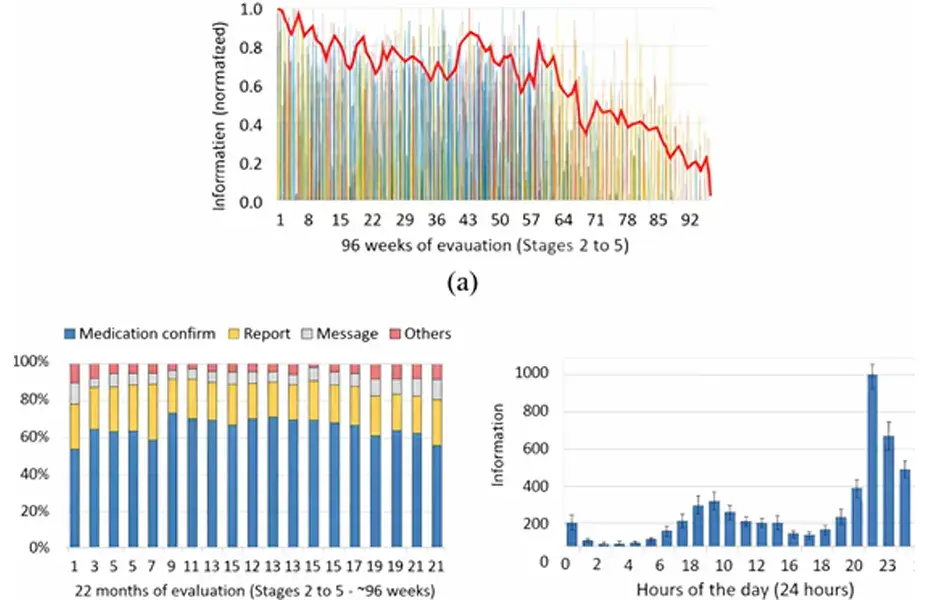
Quantitative studies utilize the data and statistical analysis that involve numbers and measure the results and patterns. It is important because:
- Gives evidence that is measurable.
- Enables hypothesis testing
- Improves the reliability of research.
- Maintains massive comparisons.
Measurement of performance among students in the UK at the national level is a standard that strongly depends on quantitative research models. The significance of the quantitative research in education can also be seen in the reforming of policies relying on statistical data and performance standards.
The qualitative and quantitative methods are complementary as they enhance credibility in academics.
Why Are Ethics Critical in Research?
The role of ethical research is to protect its participants and maintain the integrity of the academic research.
What is the significance of ethics in research?
- Shelters defenseless persons.
- Ensures confidentiality
- Prevents exploitation
- Ensures research credibility.
The UK Research integrity office (UKRIO) offers national principles of ethical behavior, which enforce accountability and transparency.
What Is the Impact of Informed Consent in Research?
Informed consent provides assurance to the participants of the purpose, risks and benefits of a study before they join a study. The inability to gain consent in healthcare research may have legal and professional repercussions.
Students of nursing and other health care professionals who carry out first-hand research have to ask permission to do so ethically. The attendance of an organized scholarly advice, including our nursing dissertation advice service, can be useful in assuring adherence to ethical principles.
Why Is Research Important in Healthcare?
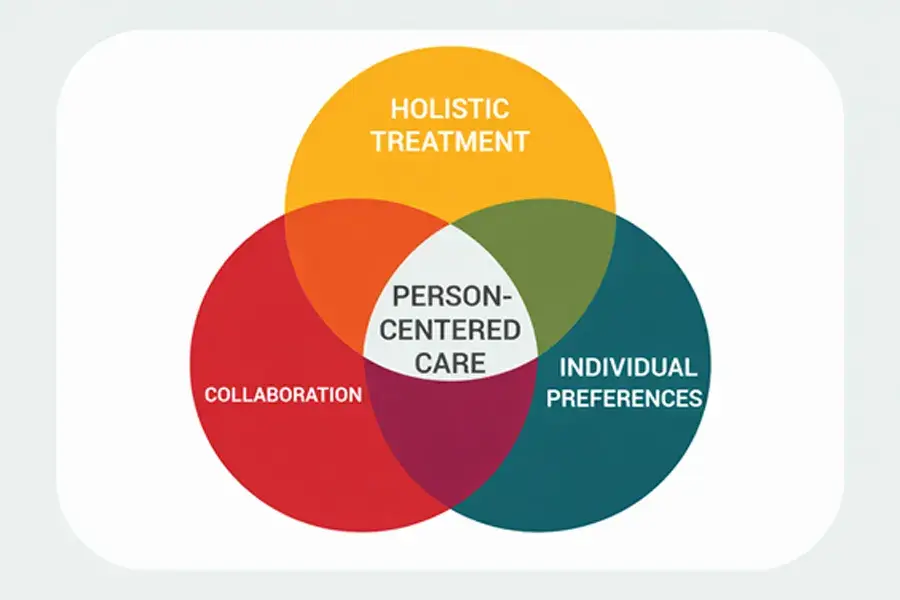
The improvement of healthcare is based solely upon research. According to the National Institute of Health and Care Research (NIHR), organisations in the NHS that are actively involved in research show better patient outcomes.
- Improves patient safety
- Invents new interventions.
- Reduces clinical errors
- Enhances evidence-based practice.
- Enhances quality of care
The role of research and development in teaching and learning is especially evident in clinical training programmes, in which new research is reflected in simulation training and patient management interventions.
What Is the Importance of Market Research?
Correct data is crucial to businesses in reducing financial risk and ensuring profit maximisation. Hence, in business, it can help:
- Identifies customer demand
- Competitor performance analysis.
- Maximises price policies.
- Reduces product launch risk
- Critical for strategic planning.
According to the UK Office for National Statistics (ONS), data-driven firms are more productive in growth than those that have underinvested in analysis.
What Is the Importance of Customer Research?
Customer research determines trends in consumer behaviour, the level of consumer satisfaction, and gaps in services. Those businesses that operate on assumptions only have increased financial risks.
What is the importance of Primary Research?
Primary research is based on gathering original data by way of surveys, interviews, focus groups or experiments.
Benefits include:
- It has a direct relation to research questions.
- Increased methodology control.
- Revised and context-related data.
Dissertation students often carry out primary research in an attempt to reinforce originality and scholarly input.
Why Is Secondary Research Necessary?
Secondary research studies the existing reports, journal articles, and data.
Advantages include:
- Time efficiency
- Cost-effectiveness
- Large academic databases Access.
Peer-reviewed literature in the UK is often accessed by the students through the CINAHL, PubMed, and Google Scholar.
Importance of Action Research in Education.
Action research is concerned with the enhanced teaching practice based on constant reflection and judgment.
Teachers use strategies, assess results, evaluate results, and improve strategies. Action research is significant in education as it is applied in a real classroom instead of being done solely in the theoretical form.
Case Study: Research Impact in the UK Nursing Education.
The UK nursing faculty introduced evidence-based simulation training following peer-reviewed clinical studies. Within one academic year:
- The rate of clinical placement errors decreased by 18 percent.
- The confidence scores with the students went up by 25 percent.
- The results of the assessment were improved.
All these enhancements were consistent with the results published by the National Institute of Health Research, which showed that research-based reform of the curriculum yields both measurable academic and clinical improvements.
Struggling with research for your dissertation?
If you are facing difficulty in conducting research on your dissertation, don’t worry. Our professional team is ready to guide you every step of the way. Reach out now and turn your academic goals into achievements!

Research and Development in Education: Its Significance.
Enhanced research and development play a vital role in education. It is essential because:
- Curriculum innovation
- Digital learning systems
- Inclusive instructional methods.
- Educational policy reform
The Education Endowment Foundation (EEF) carries out research-supported trials to determine effective teaching interventions among schools in the UK. This will guarantee that there is funding on quantifiable changes.
Conclusion
This brings us to the end. Understanding why research is essential can transform academic study into professional preparation. Moreover, research can strengthen education systems, advance healthcare, drive business success and support ethical progress.
Hence, for the students in the UK, mastering research skills is not optional. Instead, it is essential for academic excellence, clinical competence and long-term career development.
Frequently Asked Questions (FAQs)
Why is research important in university education?
It strengthens critical thinking, academic writing, and evidence-based reasoning.
Why is research important to students?
It prepares students for professional decision-making and postgraduate opportunities.
What are the 10 importance of research?
Knowledge expansion, innovation, policy development, problem-solving, healthcare advancement, academic excellence, economic growth, theory validation, professional competence, and societal improvement.
Why is ethics important in research?
It protects participants and ensures credibility.
Why is informed consent important in research?
It safeguards autonomy and legal compliance.
Why is qualitative research important?
It explores lived experiences and social behaviours.
Why is quantitative research important?
It provides measurable and statistically valid evidence.
Why is research important in healthcare?
It improves patient outcomes and strengthens evidence-based practice.
Why is market research important?
It reduces business risk and supports strategic decisions.
Why is customer research important?
It identifies consumer needs and satisfaction levels.
Why is primary research important?
It produces original and context-specific findings.
Why is secondary research important?
It provides access to existing credible evidence efficiently.
What is the importance of research in early childhood education?
It informs developmental and behavioural teaching approaches.
What is action research in education?
A reflective method used to improve classroom practice.
Why is research and development important in education?
It drives curriculum innovation and policy reform.
How does research improve employability?
It develops analytical and problem-solving skills valued by employers.
Is research compulsory in UK nursing degrees?
Yes, evidence-based practice is required by professional standards.
How can students improve research skills?
Through literature review practice, structured methodology learning, and critical analysis exercises.